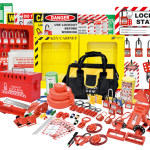


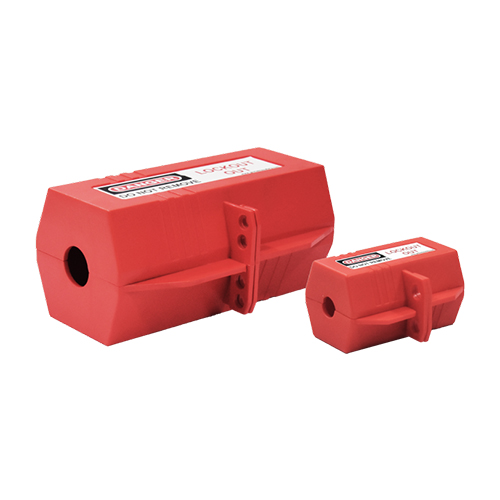
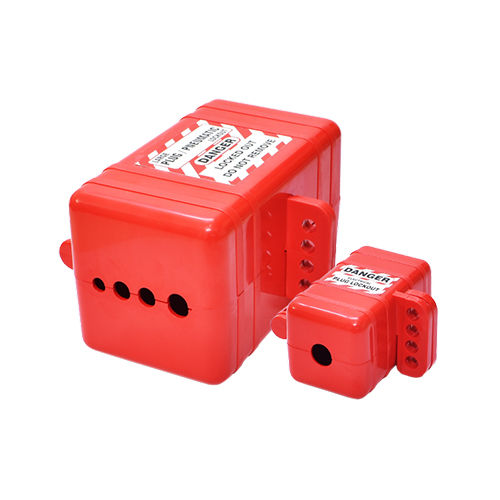
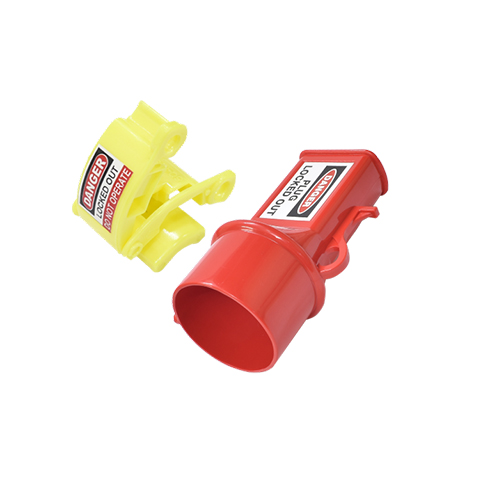
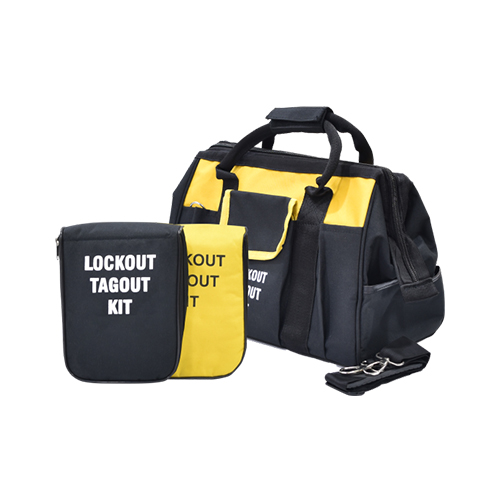
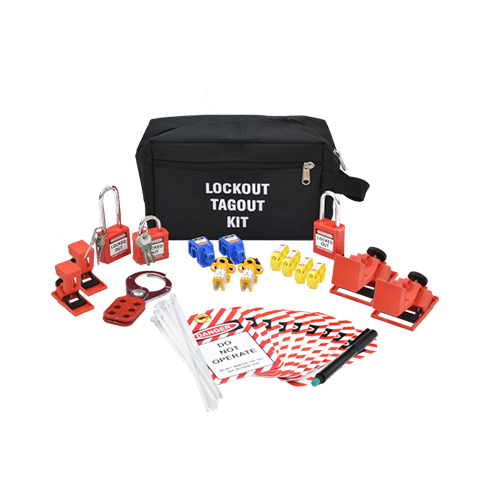

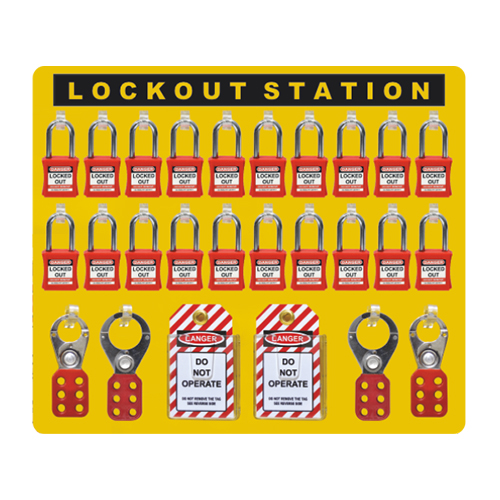
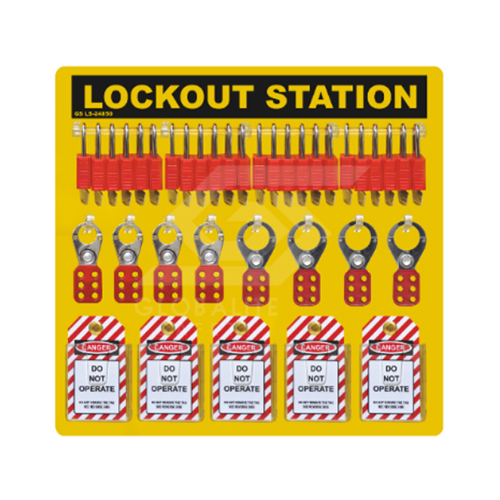
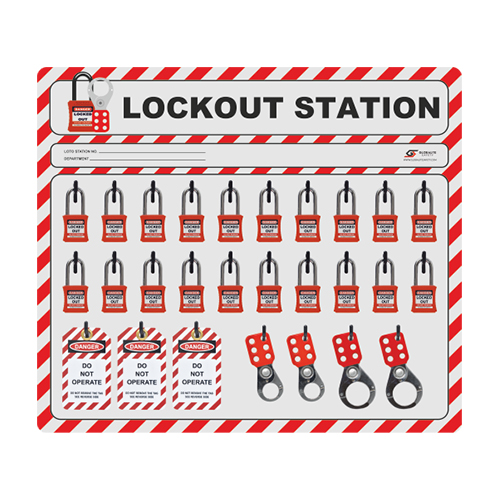
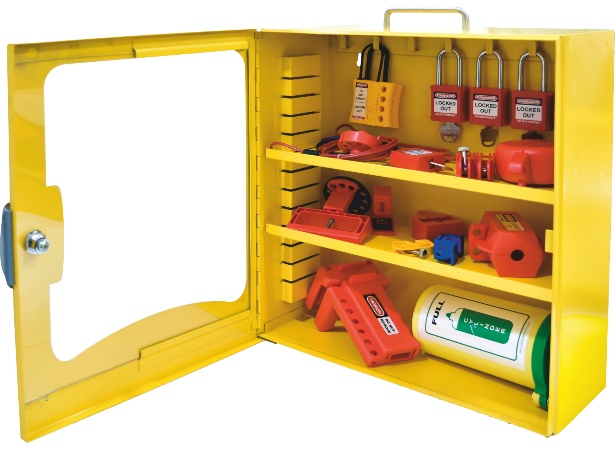

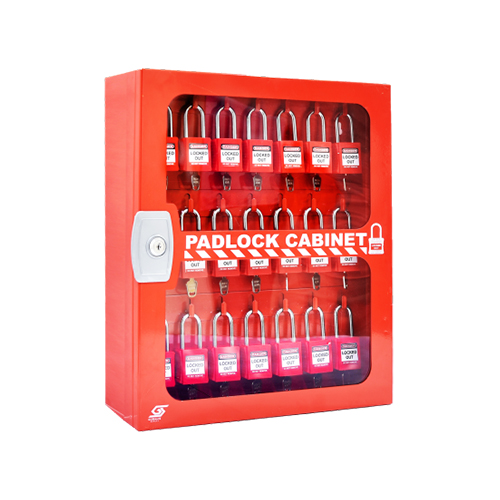
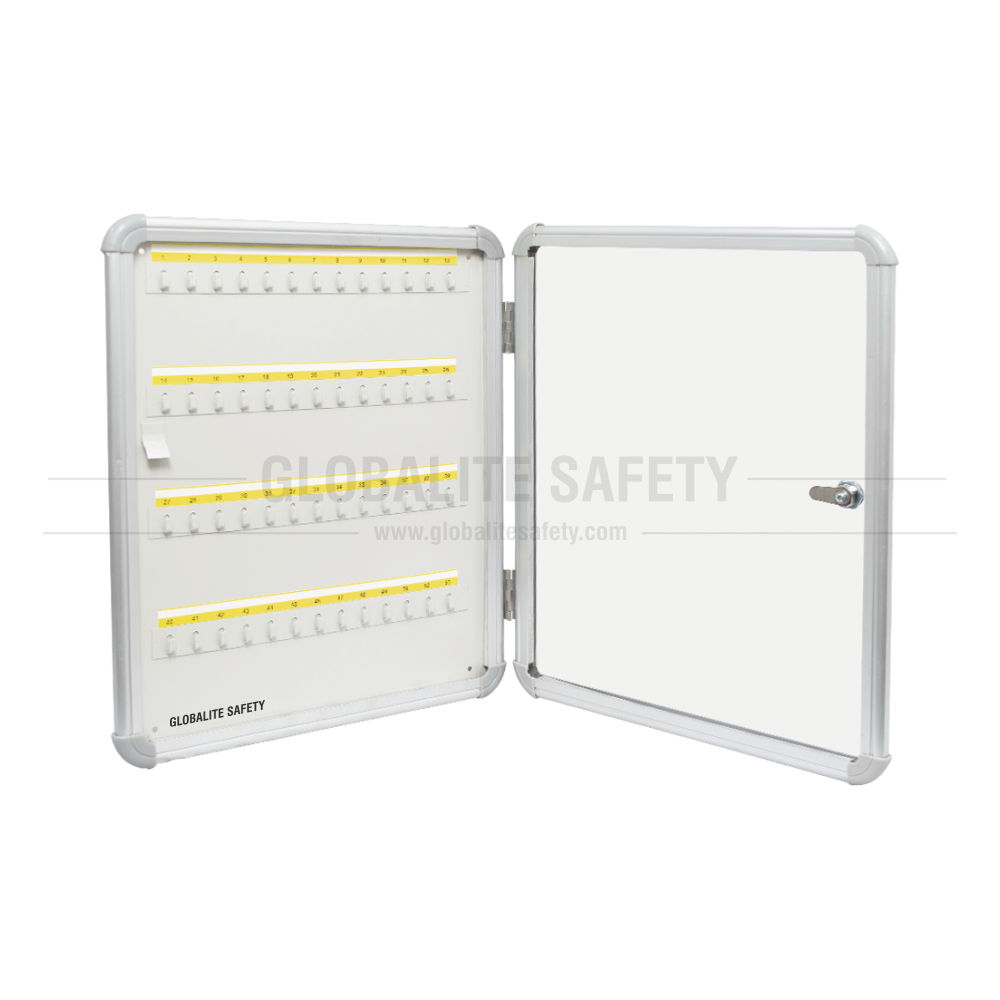
Industrial machines and equipment operate using multiple forms of energy such as electrical, mechanical, thermal, and other forms of energy. During maintenance or repair activities, uncontrolled release of this energy can cause serious injuries, equipment damage, or even fatalities. That is why adherence to the Lockout–Tagout Process becomes necessary. With the use of the right Lockout Tagout devices, such accidents and hazards can be easily prevented. They are designed to prevent such incidents by ensuring that machinery remains safely isolated and cannot be restarted unintentionally.
However, safety does not depend on adherence to procedures alone, but it relies on selecting the right lockout device for the right isolation point. Each machine, valve, or circuit has different risks, and using suitable LOTO devices helps industries stay compliant while protecting maintenance personnel at every stage of work. Let’s discover a few common LOTO devices used in industries these days.
Lockout Devices
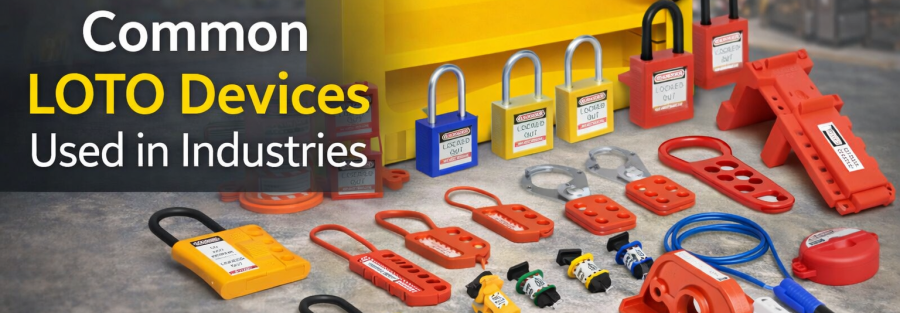
Lockout devices are physical safety tools that are used to isolate energy sources and prevent machines from being accidentally operated during maintenance or repair work. These devices are designed to fit different types of isolation points, such as electrical breakers, valves, switches, and complex machinery. Let’s discover some of the commonly used lockout devices through this blog:
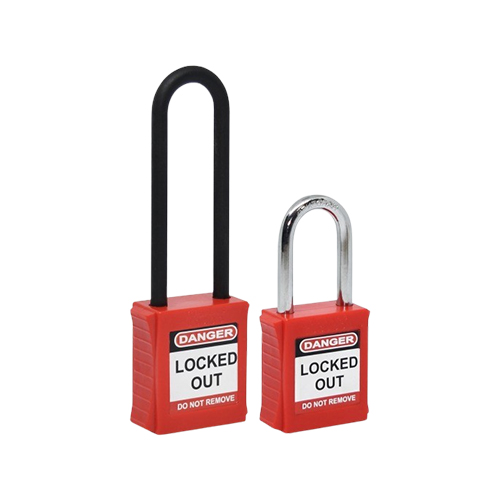
1. Safety Padlocks
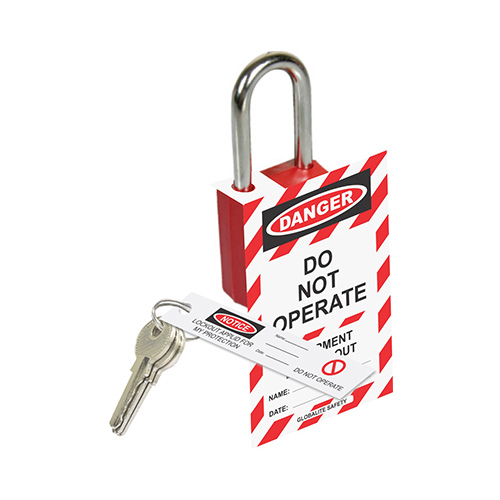
Safety padlocks are one of the most common lockout devices used to secure energy isolation points during maintenance. They are made of different metals, including plastic, steel, aluminium, and brass, to match different industrial requirements. Colour-coded options help in quick identification when using these in different machines and equipment.
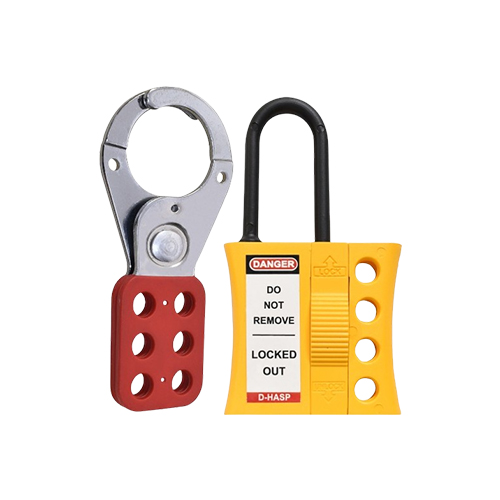
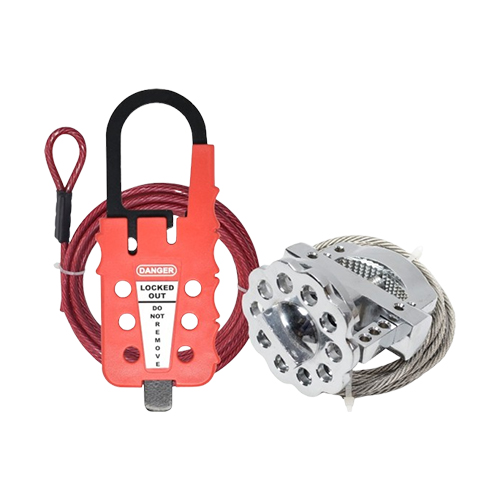
2. Lockout Hasps
Lockout hasps are used when more than one technician is working on the same equipment. They allow multiple padlocks to be attached to a single energy source, ensuring each worker maintains personal safety control. They are ideal for group maintenance activities where coordination, accountability, and safety must go hand in hand.
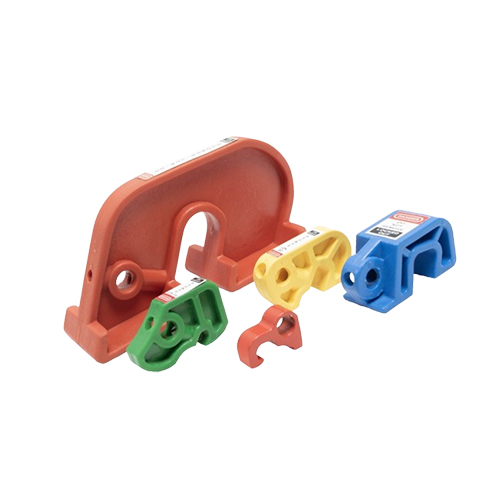
3. Circuit Breaker Lockouts
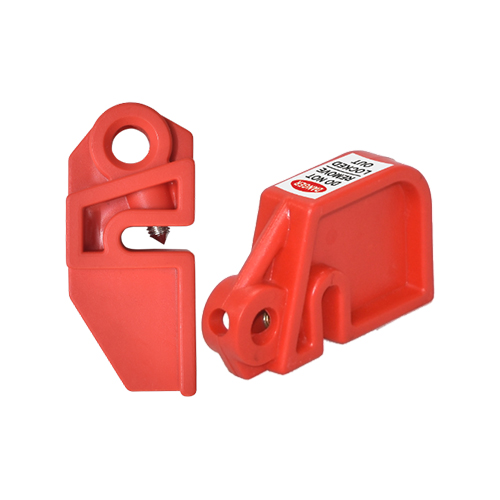
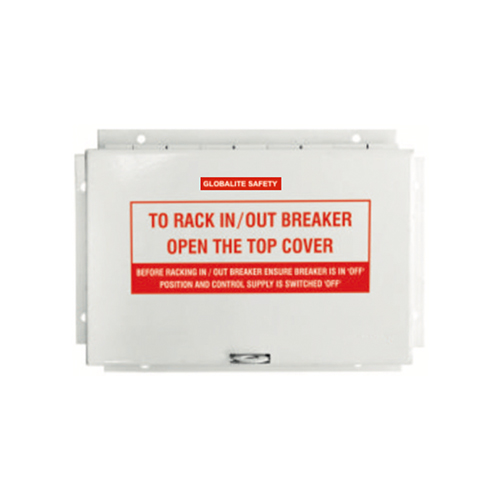
Circuit breaker lockouts are designed to prevent accidental switching of electrical breakers during servicing and inspection. These devices secure breakers and reduce the risk of electrical shock or system damage. They are commonly used in electrical panels and distribution boards, providing a compact and reliable solution for effective electrical isolation.
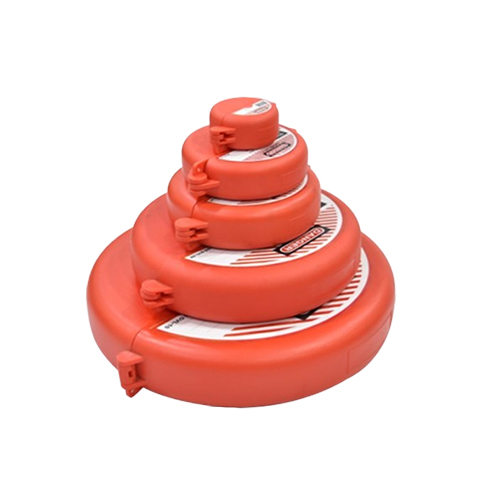
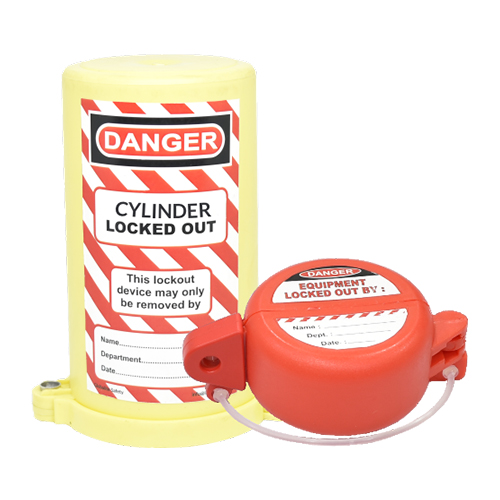
4. Valve Lockouts
Valve lockouts are used to block the operation of valves that control the flow of liquids, gases, or steam. There are different types of valve lockouts, including ball valve lockouts, gate valve lockouts, and butterfly valve lockouts. These devices ensure hazardous substances remain safely isolated during maintenance or shutdown activities.
5. Cable Lockouts
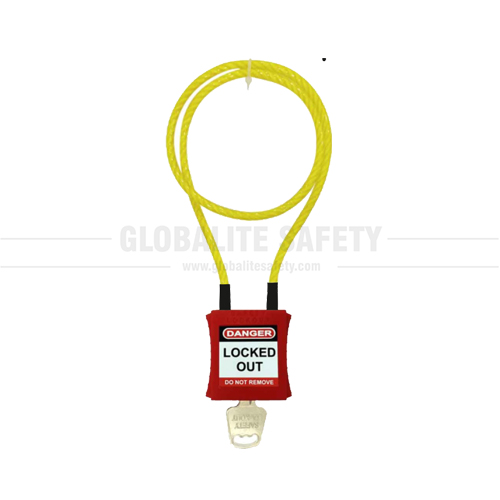
Cable lockouts offer a flexible solution for complex or non-standard isolation points. Using adjustable steel or nylon cables, they can secure multiple valves, switches, or panels simultaneously. Their adaptability makes them ideal for large machinery, irregular shapes, or situations where conventional lockout devices cannot be used effectively.
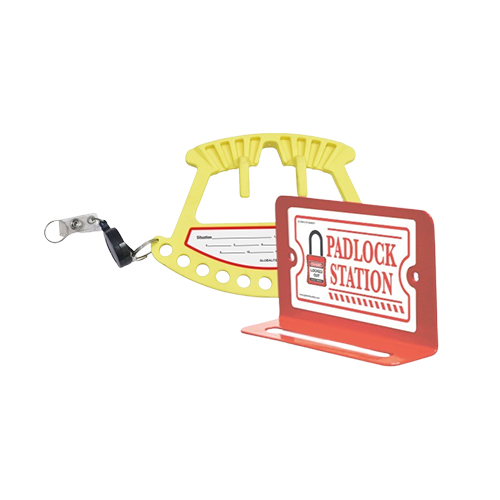
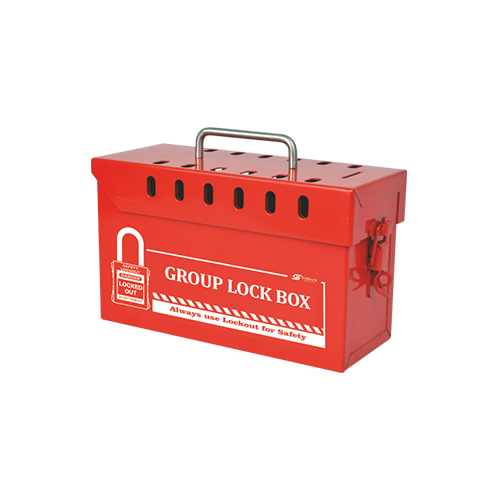
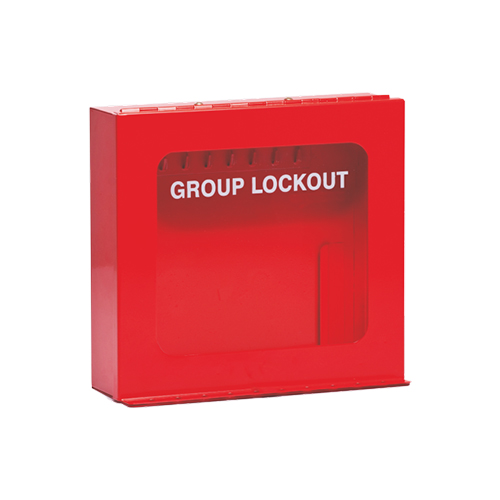
6. Group Lock Boxes (GLB)
Group Lockout Boxes are used during team-based maintenance involving multiple energy sources. Keys from individual lockout devices are placed inside the box, which is then locked using personal padlocks from all authorized workers. This ensures that equipment cannot be re-energized until every team member has completed their task and removed their lock.
Tagout Devices
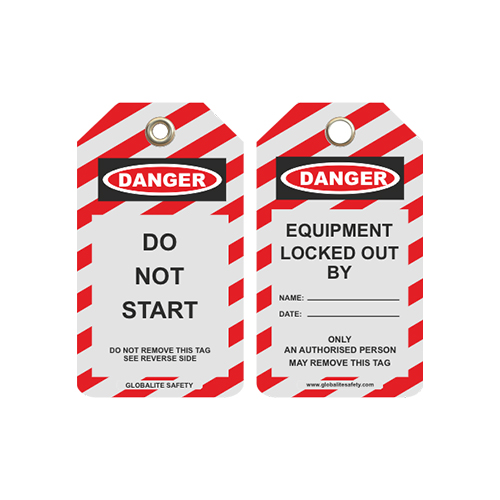
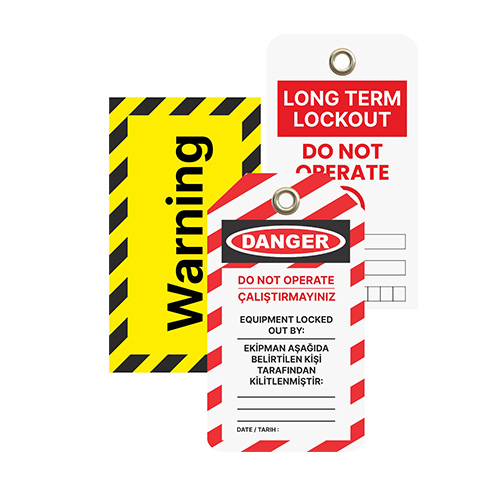
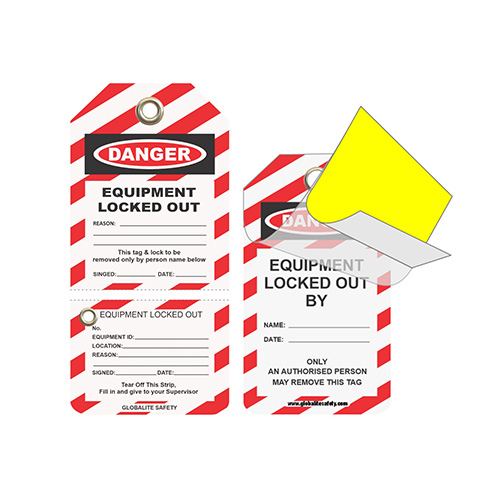
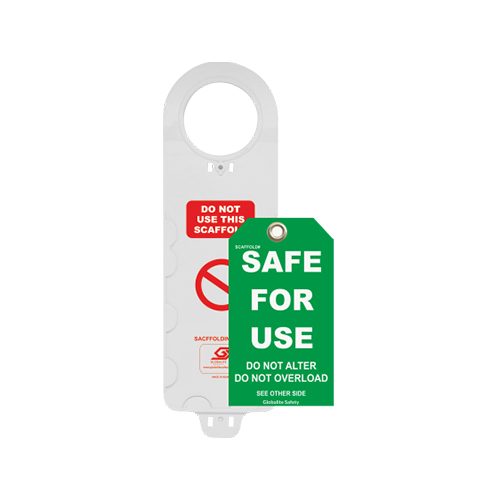
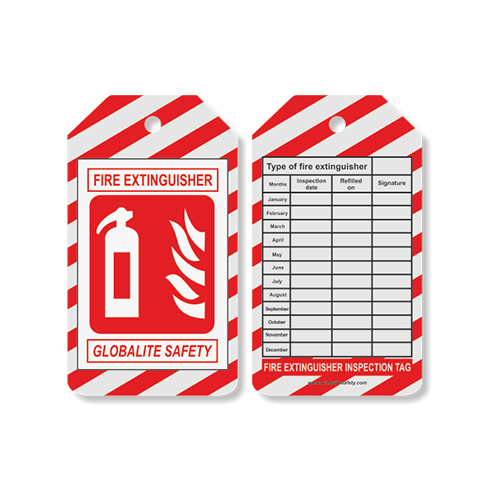
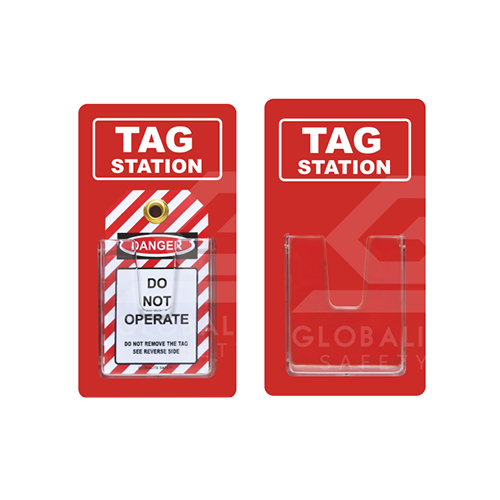
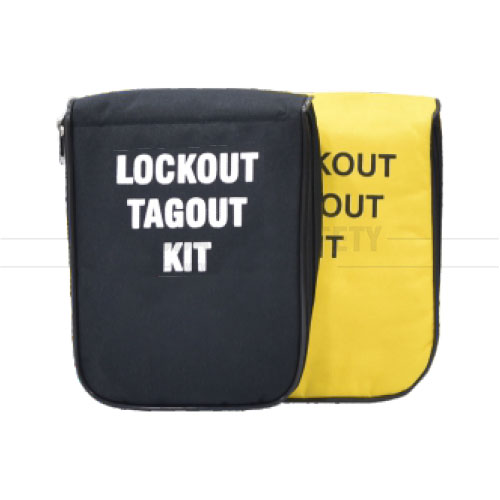
Tagout devices include warning tags that clearly display information such as hazards, instructions, and authorization details. They serve as a visual alert that equipment is under maintenance and must not be operated. While tagout devices improve communication and awareness, they do not provide physical isolation and must always be used alongside lockout devices.
Choosing the Right Device for the Right Equipment
Selecting the correct Lockout Tagout devices is as important as having a lockout procedure in place. Different machines, energy sources, and working conditions require specific isolation solutions to ensure complete safety. Using an incorrect LOTO device can compromise the effectiveness of the entire process. A thoughtful evaluation of equipment and energy risks helps industries achieve proper isolation, reduce human error, and maintain compliance with safety standards. Some of the factors to check before selecting a lockout tagout device include:
- Type of energy source, such as electrical, mechanical, hydraulic, pneumatic
- Equipment design and size
- Number of workers involved in the maintenance task
- Requirement for single or group lockout
- Environmental conditions such as moisture, heat, or electrical exposure
Conclusion
Lockout Tagout devices are a critical part of industrial safety and are helpful in preventing accidents during maintenance and servicing operations. From padlocks and valve lockouts to cable systems and group lockout boxes, each device serves a specific purpose in controlling hazardous energy. Using the right combination of LOTO devices ensures safer workplaces, improved compliance, and greater confidence among maintenance teams. We at Globalite Safety offer a diverse range of Lockout Tagout devices designed to meet diverse industrial safety needs. Being known for serving this industry for a long time, we are successfully helping organizations in building effective LOTO programs and maintaining high safety standards across operations.