The Inception of LOTO
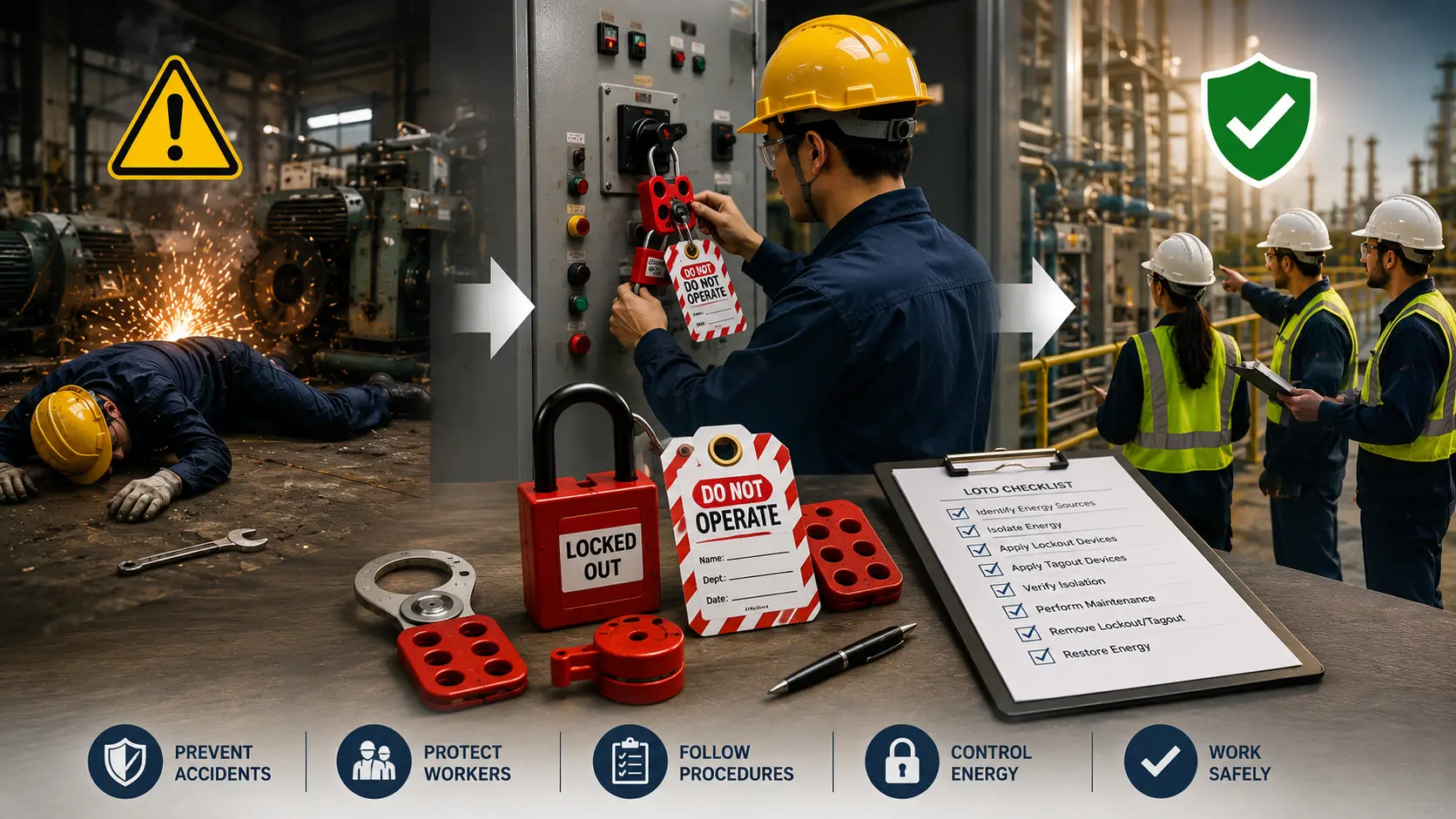
The concept of LOTO emerged in response to workplace accidents caused by unexpected energy releases. In the early 1970s, a series of tragic incidents drew attention to the lack of adequate safety measures. Workers were frequently injured or killed due to the sudden activation of machinery or equipment undergoing maintenance, repair, or adjustment. Recognizing the need for a comprehensive safety system, the Occupational Safety and Health Administration (OSHA) in the United States began working on regulations to address this issue. In 1989, OSHA introduced the Control of Hazardous Energy standard, also known as the Lockout-Tagout standard (29 CFR 1910.147). This standard established guidelines and requirements for the control of hazardous energy sources in various industries. Key Elements of Lockout Tagout
- Lockout: Lockout involves the physical placement of a lock on an energy-isolating device, such as an electrical switch or valve, to prevent the release of hazardous energy. The lock serves as a physical barrier that keeps the machinery or equipment from being energized. Only the authorized person who applied the lock has the key or combination to remove it.
- Tagout: Tagout involves the use of a prominent warning tag or sign that is attached to an energy-isolating device to indicate that it must not be operated or energized. The tagout device provides information about the person who applied it and the reason for its application. It serves as a visual warning to inform workers that maintenance or servicing is taking place and that the equipment should not be used.
- Energy-Isolating Device: An energy-isolating device is a mechanical device, such as a switch, circuit breaker, valve, or disconnect, that controls the flow of energy to a particular piece of equipment or machinery. During lockout tagout, these devices are physically turned off, closed, or otherwise isolated to prevent the release of hazardous energy.
- Authorized Employees: Authorized employees are trained individuals who are responsible for implementing lockout tagout procedures. They have the knowledge and skills to properly perform the procedure, including the application and removal of lockout tagout devices. Click here to learn more.
- Affected Employees: Affected employees are workers who may be exposed to the equipment or machinery undergoing lockout tagout procedures. They are informed of the ongoing maintenance or servicing activities and are instructed not to operate or energize the equipment. Click here to learn more.
By implementing lockout tagout procedures, employers and employees ensure that potentially hazardous energy sources are controlled, and workers are protected from accidental startup or release of energy during maintenance, repair, or servicing activities. It is an essential safety practice to prevent workplace accidents and ensure the well-being of workers.